
Experts on Hardwoods | Hardwood Denver
Knots Flooring is the go-to flooring provider in the state of Colorado.
Hardwood Flooring
We work with quality hardwoods, sustainably procured and selected for their long service life and the way they mature with use. This beautiful material remains one of the few floor surfaces that can be repaired and refinished rather than replaced, which makes it a strong choice for long-term residences and high-value properties. Characteristics of different woods, milling quality, and finish selection all influence how the surface performs years after installation.
We use both domestic and exotic hardwoods, each chosen for specific performance traits rather than appearance alone. Density, grain structure, and natural movement vary by the species of the lumber, which affects how the floor responds to daily use and seasonal change. We match those traits to the conditions of the space so the material performs predictably rather than fighting its environment.
Wood floors react to moisture levels, temperature shifts, and traffic patterns. Before installation begins, we focus on accounting for these variables through acclimation, layout planning, and site preparation. This helps limit unnecessary movement, uneven wear, and long-term issues that often result from rushing decisions early in the project.
A material that could outlive you
Unlike most materials, hardwood can offer a service life of decades upon decades – as long as it’s maintained properly. Solid boards can be sanded and refinished multiple times, which allows wear to be addressed without replacement. This ability to renew the surface over time is a major reason it continues to be chosen for permanent residences and properties meant to last.
The finishes employed play a critical role in how the surface performs day to day. Modern finish systems differ in hardness, sheen, and how easily they can be repaired once worn. Some are built to resist heavy traffic, others allow for localized touch-ups without redoing the entire area. We help clients weigh these tradeoffs based on how their space is used and maintenance expectations rather than on trends or showroom samples.
Residential and commercial applications
In residential settings, hardwood flooring is commonly used in living areas, bedrooms, hallways, and open-plan layouts where continuity and long-term value matter. Board width, grade, and finish choice influence both visual character and upkeep – especially in homes with pets, heavy foot-traffic, or fluctuating humidity.
In commercial environments, we spend even more time on the planning phase. Foot-traffic patterns, rolling loads, cleaning routines, and operating hours all affect material selection and installation strategy. Scheduling can be coordinated to limit disruption to the business while still allowing proper acclimation and curing time of the materials.
Our installation technique and prep work
Our installation technique begins long before the first board is set. Every project starts with an assessment of the subfloor to check for level variation, moisture conditions, and structural integrity. Solid plank materials react to their surroundings, so confirming these conditions early helps prevent issues such as movement of planks, excessive noise, or uneven wear after the work is complete.
When required, material is acclimated on site so it can adjust to interior temperature and humidity levels. Layout planning follows, including board direction, end-joint staggering, and expansion spacing at walls and fixed elements. These decisions influence both structural performance and how the finished surface reads visually across the space.
Installation methods are selected based on subfloor type and site conditions. Nail-down techniques are typically used over plywood substrates, while glue-down methods are applied where added stability is needed. We base fastener spacing, adhesive selection, and expansion allowances on manufacturer specifications as well as the realities of the site’s conditions.
Once installation is complete, transitions, edges, and thresholds are finished so adjoining surfaces meet cleanly and the floor is able to move naturally without stress. The result is a floor that feels solid underfoot, performs consistently across the space, and holds its alignment through seasonal changes.
Choosing the right species, board cuts, and finishes
Species choice affects hardness, grain pattern, and color variation. Oak remains popular for its balance of durability and refinishing potential, while maple, hickory, and walnut each bring different performance and visual characteristics. Board width changes how movement is distributed across the floor and how seams appear over time. Finish sheen impacts glare, wear visibility, and maintenance.
While this might all sound a bit overwhelming, don’t worry – we’ll walk you through all of these considerations during our in-home or on-site visit when we give you the estimate. This allows you to make decisions based on structure, use, and long-term expectations rather than appearance alone. The goal is a floor that installs cleanly, wears evenly, and continues to look right for the space years after installation.
Take a look at our gorgeous collection
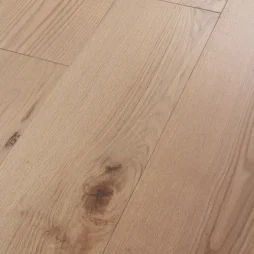
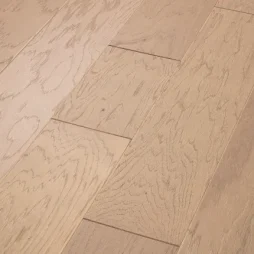
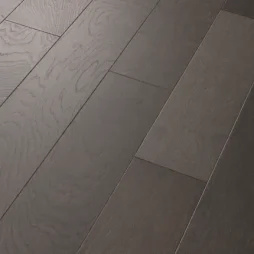
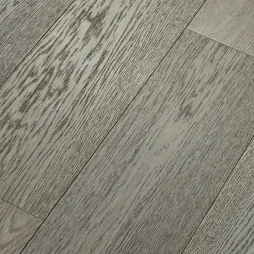
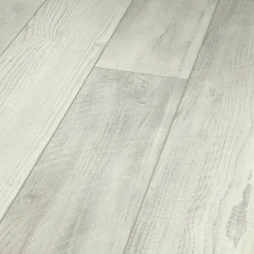
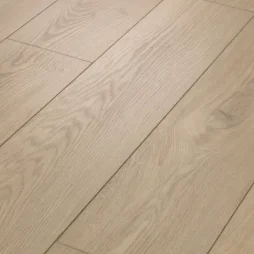
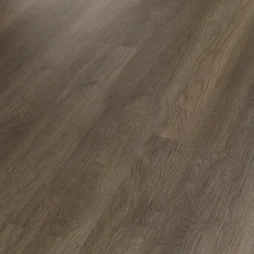
If you’re planning a hardwood floor for your home or business, reach out. We’ll drive out to you, assess the conditions, discuss material and finish choices, and put real numbers behind the work. After everything is agreed, we’ll get to work on building your beautiful new floor.
Call our team today to get your free in-home estimate!
Frequently asked questions
Will I need to maintain my floor after it’s installed – which products should I use?
Yes, your floor will benefit from regular maintenance to protect the surface and extend its lifespan. Routine care includes sweeping to remove grit, prompt cleanup of spills, and the use of manufacturer-approved products designed for wood finishes rather than generic cleaners. We can recommend specific products that help preserve the finish without buildup, and advise against products that can dull the surface or interfere with future refinishing.
Are certain hardwoods better suited to Denver’s climate?
Certainly. Swings in temperature and humidity across the year mean some hardwoods perform more predictably than others in Denver. Denser varieties such as oak, maple, and hickory tend to handle seasonal movement more evenly when properly acclimated and installed, which reduces visible gaps or cupping over time. In Denver, success also depends on matching the material to the space, controlling indoor humidity, and allowing the wood to adjust to site conditions before installation begins.
What is engineered hardwood?
Engineered hardwood is a multi-layered wood product made by bonding a thin surface veneer of real wood to a core built from cross-layered plywood or high-density fiberwood. This layered structure can improve stability compared to material milled directly from hardwood lumber, helping limit expansion and contraction under real-world conditions such as humidity changes or cold Denver winters. We stock this option for projects where subfloor conditions or environmental factors call for a more dimensionally stable construction.
How can I be sure Knots are the right Denver hardwood professionals for my project?
We’ve worked on hardwood floors in the Denver area since 2007, and much of our work comes from repeat clients and referrals. That kind of long-term trust only develops when the work holds up. A lot of our projects come through word of mouth, which means our reputation precedes us. If you value experience, consistency, and a local team of flooring professionals that stands behind its work well after installation, that’s where we tend to be the right fit.